Wallet shopping used to be a simple question. Pick a popular app, write down twelve words, and tell yourself you would never click anything suspicious. In 2026, the market is more mature and so are the scams. The best wallets are not the ones with the loudest marketing. They are the ones that match the way you behave on a normal Tuesday.
If you mostly buy and hold, your risks look nothing like someone who signs ten DeFi approvals a day. If you move between chains, chase airdrops, or mint NFTs, you are swimming in the part of the internet where wallet drainers still make a living. That gap in behavior is why blanket advice fails, and why “best wallet” lists can be misleading.
This guide is not here to crown one app. It is here to help you choose a setup that stays boring under pressure. If you want a broader self custody foundation, start with this security guide first, then come back and make the wallet decision with a clearer threat model.
The real threat model in 2026
Most wallet disasters still start the same way. A fake website, a fake support message, a rushed signature, or a recovery phrase that was stored in the wrong place. The attacker does not need to break cryptography. They just need you to approve the wrong thing once.
That is why modern wallet safety is moving toward two ideas. First, make it harder for you to sign something you do not understand. Second, make it less catastrophic when you lose access, without quietly turning your wallet into a bank account you cannot fully control.
If you want a clear picture of how these attacks work in practice, read this breakdown of modern wallet scams. It is the fastest way to build instincts that marketing pages never teach.
You are choosing a trust model, not a user interface
In plain terms, most people end up in one of three buckets.
Custodial accounts are what you use on exchanges. They are convenient and often come with recovery options that feel familiar. They also mean you are trusting a company to hold keys, handle security, and survive regulatory and operational stress. For some readers, that is an acceptable trade when the goal is simple exposure and not constant onchain activity.
Self custody hot wallets are the classic browser extension or mobile app. You control the keys, which is the point, but you also inherit the consequences. Your phone and your habits become part of your security perimeter. If you are new, it helps to understand the basics of setup and backups before you go further. This step by step piece on creating a crypto wallet is the clean starting point.
Hardware wallets keep the keys off your internet device and sign transactions on a separate device. They reduce the blast radius of malware and many forms of phishing. They do not make you immune to signing a malicious approval. They simply give you a better chance to notice what is happening and stop it.
There is also a newer category that is quietly changing the user experience.
Smart wallets and account abstraction designs aim to replace the single fragile secret with safer recovery and better controls. In practice, this can mean passkeys, social recovery, spending limits, and transaction policies. That is not magic. It is a different model with different failure modes. The question becomes who can help you recover, under what conditions, and what happens if that system is attacked or misused.
If you want a plain English overview of wallet types before you decide, this Web3 wallet guide is a useful refresher.
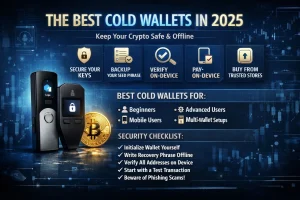
Hardware wallets are still the best default for serious money
Hardware wallets remain the strongest baseline for people who hold meaningful value long term. The reason is simple. Your private key never needs to touch an online device to do its job.
That said, hardware wallets are not “set and forget.” The two mistakes that keep repeating are buying from unofficial sources and getting careless with recovery backups. Device integrity and backup hygiene matter more than which model you choose.
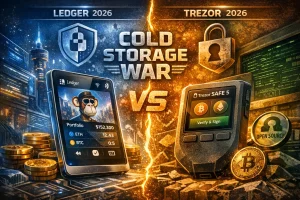
If you are deciding between devices and want the pros and tradeoffs laid out clearly, this cold wallet comparison will save you hours.
Hot wallets are getting smarter, but you still need guardrails
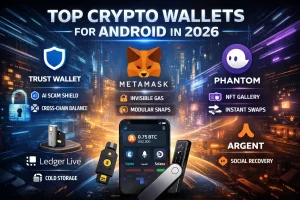
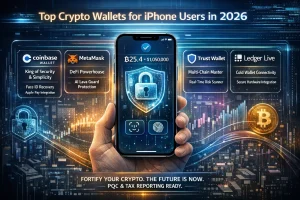
For active onchain users, hot wallets are hard to avoid. The good news is that wallet security features are improving in practical ways. Transaction previews, simulations, and clearer signature formatting reduce the chance that you sign away your tokens without noticing.
The bad news is that attackers adapt quickly. They lean on speed, social engineering, and fake urgency. If your daily routine includes airdrop hunting or clicking unfamiliar links, you should treat your hot wallet like a spending account. Keep the bulk of funds in a hardware wallet, then move smaller amounts into the hot wallet as needed.
There is also a habit that matters more each year. You need to manage token approvals. Unlimited approvals are convenient until they are not. If you regularly inspect allowances and revoke what you do not need, you cut off an entire category of “silent drains.” If you are not sure how to read what you are signing, the Etherscan guide helps you verify contract interactions like a grown up.
A wallet choice framework that survives real life
Ask yourself two blunt questions.
Do I need frequent onchain signing or is this mostly holding and occasional transfers. If it is mostly holding, default to a hardware wallet plus a minimal hot wallet for small experiments. If it is frequent signing, split your funds by purpose, then choose the hot wallet experience that helps you slow down and verify.
What is my recovery plan if my phone is stolen or my laptop dies. If you are the kind of person who loses passwords, smart wallet recovery and passkeys can be a genuine upgrade. If you are disciplined and comfortable with backups, classic self custody can still be fine, as long as you treat your recovery phrase like the keys to your house.
For readers who want a broader tool stack beyond the wallet itself, including trackers, alerts, and security hygiene, this crypto apps guide pairs well with your wallet setup.
A short safety checklist you will actually follow
- Use two wallets. One for long term storage, one for daily signing and experiments.
- Reduce approvals. Revoke what you do not need and avoid unlimited allowances when possible.
- Backup like you mean it. Store recovery secrets offline, and do not photograph them.
- Verify addresses. Copy paste is not enough, check the first and last characters every time.
- Assume support DMs are scams. Real support rarely needs your recovery phrase, ever.
The point of all this is not paranoia. It is friction in the right places. In 2026, the winners are not the people who chase every new wallet feature. They are the ones who build a setup that matches their behavior, then repeat it consistently.
Source notes
Reporting and background for this article drew on recent security and crime research and wallet documentation, including Scam Sniffer’s annual drainer phishing analysis, Chainalysis crime and hacking reporting, MetaMask security reporting on transaction simulations and phishing defenses, Coinbase materials on passkeys and smart wallet passkey management, ERC 4337 account abstraction documentation, Ledger materials describing Ledger Recover, and Trezor documentation describing open source firmware claims.