





High Yield Investment Strategies: A 2025 Guide for Investors
Let’s be honest: your savings account isn’t cutting it. In an environment of persistent inflation and shifting central bank policies, the hunt for real yield is no longer a...

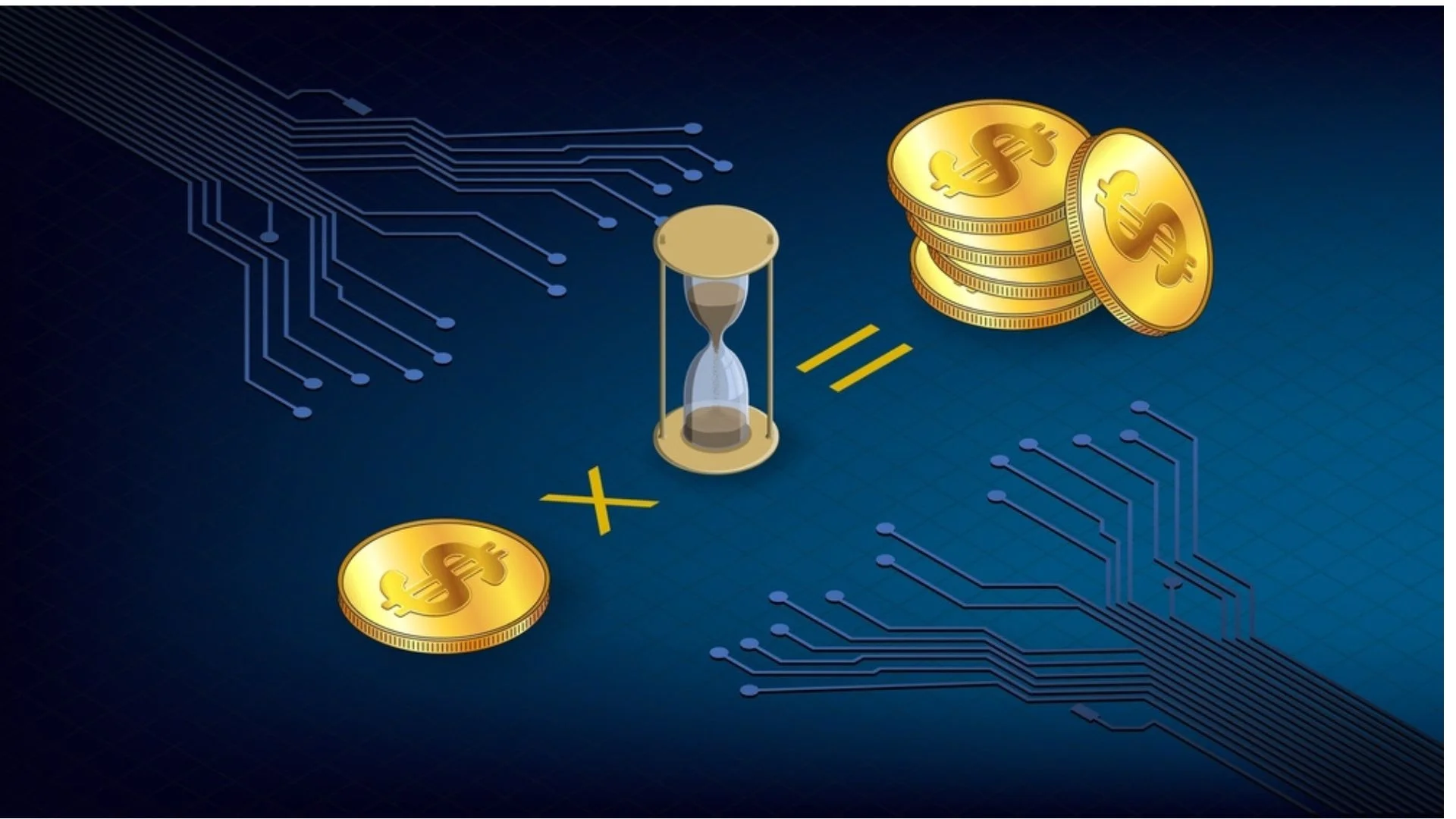
Let’s be honest: your savings account isn’t cutting it. In an environment of persistent inflation and shifting central bank policies, the hunt for real yield is no longer a luxury—it’s a necessity. But for the savvy global investor, “high yield” no longer just means junk bonds.
Table Of Content
- The New Yield Hungry Landscape
- The Hottest Narrative: Real-World Asset (RWA) Tokenization
- Why RWAs are a Game-Changer
- The Evolution of DeFi: Sustainable Yield Farming
- Stablecoin Yields and Blue-Chip Protocols
- Liquid Staking: The Best of Both Worlds?
- Understanding LSTfi (Liquid Staking Token Finance)
- Don’t Ignore High Yield TradFi (With a Twist)
- The Verdict: Building a Diversified Yield Portfolio
The game has changed. We’re moving beyond traditional dividends to explore the high-yield investment strategies shaping the 2025 landscape. This involves a fascinating blend of rejuvenated traditional finance (TradFi) and the ever-evolving efficiency of decentralized finance (DeFi).
The New Yield Hungry Landscape
For years, low interest rates pushed investors toward riskier assets to find a decent return. Now, even with higher base rates, inflation often eats away at any “safe” gains.
This economic reality has forced a search for smarter, more efficient ways to put capital to work. The strategies that are winning today are not just about finding the highest number; they are about finding sustainable yield, often by bridging the gap between old and new financial worlds.
The Hottest Narrative: Real-World Asset (RWA) Tokenization
This is arguably the most significant high-yield development in years. RWA tokenization is the process of taking tangible, off-chain assets—like U.S. Treasuries, real estate, or private credit—and representing them as a digital token on a blockchain.
Why RWAs are a Game-Changer
Instead of just chasing crypto-native yield, this strategy imports the yield from stable, established assets. The most prominent example has been the tokenization of U.S. Treasuries.
This market sector has exploded, growing from roughly \$100 million in early 2023 to well over \$1 billion by 2025. Institutional giants like BlackRock have entered the space (e.g., with its BUIDL fund), signaling massive validation. Investors can now buy a token that is backed 1:1 by a U.S. T-Bill, earning a stable 5%+ yield with the speed and self-custody benefits of the blockchain.
The Evolution of DeFi: Sustainable Yield Farming
Forget the 1,000% APY “degen farms” of 2021. Those were built on hype and temporary token emissions. The “grown-up” version of yield farming is now the standard for high-yield investment strategies.
Stablecoin Yields and Blue-Chip Protocols
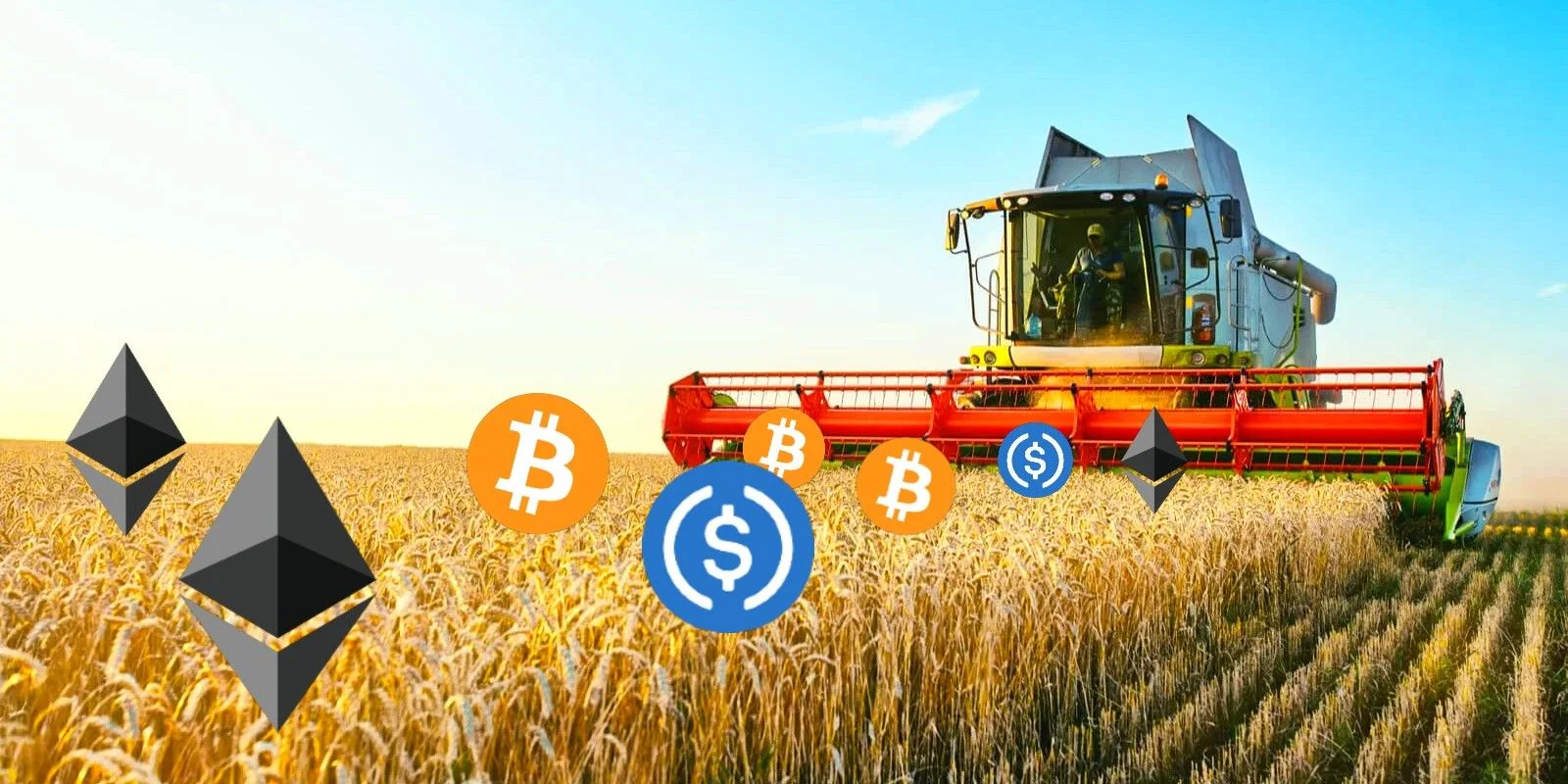
The focus has shifted to providing liquidity to established, blue-chip protocols like Uniswap v3, Curve, and Aave. By providing liquidity for stablecoin pairs (like USDC/DAI) or established assets (like ETH/WBTC), users can earn trading fees.
While not risk-free (impermanent loss is always a factor), these sustainable yields often fall in a much more believable 5-20% APY range. This is a high-yield return driven by real utility (market making) rather than pure speculation.
Liquid Staking: The Best of Both Worlds?
Proof-of-Stake (PoS) networks, most famously Ethereum, allow users to “stake” their coins to help secure the network in exchange for a reward (yield). The problem? Your capital is locked and illiquid.
Understanding LSTfi (Liquid Staking Token Finance)
Liquid Staking Derivatives (LSDs) solve this. Platforms like Lido (stETH) and Rocket Pool (rETH) take your ETH, stake it for you, and give you back a “liquid” token (LST) that represents your staked position.
This is a powerful two-for-one strategy:
- You earn the base staking yield (e.g., ~3-4% on ETH).
- You can then use your LST (e.g., stETH) in other DeFi protocols to earn additional yield—a concept known as LSTfi.
The LSTfi sector is a cornerstone of DeFi, with tens of billions in total value locked (TVL), proving its role as a fundamental high-yield strategy.
Don’t Ignore High Yield TradFi (With a Twist)
In the hunt for digital gold, don’t forget the classics. With interest rates having risen significantly from their historic lows, traditional high-yield assets are relevant again.
High-yield corporate bonds (also known as “junk bonds”) are offering some of their most attractive returns in a decade, with many B-rated or BB-rated bonds paying out in the 7-9% range. While they carry higher default risk than government bonds, they provide a strong, non-crypto-correlated source of yield.
The “twist” is that, as mentioned in our first point, these very assets are now being tokenized and brought on-chain, making them more accessible to global, digital-native investors.
The Verdict: Building a Diversified Yield Portfolio
The era of parking cash in a single savings account is definitively over. The most effective high-yield investment strategies of 2025 are about intelligent diversification.
This no longer just means a mix of stocks and bonds. It means blending the best of TradFi (like established bond yields) with the powerful new models of DeFi (like LSTs and RWA tokenization). Building a resilient portfolio requires understanding these different strategies and how they align with your personal risk tolerance.


