Vanguard (VWA) has been making the rounds as a Solana token linked to a “tokenized real-world assets” (RWA) story—gold, silver, gemstones, and more. At the same time, parts of its public positioning across the broader crypto ecosystem have looked more like a memecoin narrative than a regulated RWA platform.
That split matters. Because when a token claims real-world backing, the bar for proof is higher: custody details, audits, redemption mechanics, legal structure, and transparent reporting. If those pieces are missing or unclear, you should treat the “backing” story as unverified marketing—not as a financial guarantee.
Risk disclosure (read first):
- Crypto assets are volatile. You can lose all your capital.
- RWA narratives can be used as marketing without real backing. Verify everything.
- This guide is educational and does not provide financial advice.
What is Vanguard (VWA)?
VWA is a token that trades on the Solana network. In practical terms, most people encounter it through Solana wallets and DEX routes. The project’s stated ambition is often framed around bringing real-world assets on-chain, but the quality of proof is what separates a serious RWA protocol from a token that simply borrows the RWA narrative.
Important: “Vanguard” name confusion
The word “Vanguard” is strongly associated with traditional finance. That creates an immediate risk of misunderstanding.
- VWA is not the Vanguard Group (the asset manager people know from ETFs).
- VWA is not a tokenized Vanguard ETF product by default.
- If any marketing implies institutional backing, treat it as a claim that must be proven with primary documentation.
VWA mint address (verify before you do anything)
If you only take one step from this guide, take this one: verify the mint address in a reputable Solana explorer and inside a trusted wallet token page before swapping.
Widely referenced Solana mint address for Vanguard (VWA):
GJvLcMvQwznh1gAonWnqbqdSRrNCQmVzhfsZVvQdtM4b
Why this matters: when a token trends, scammers create lookalike tokens with similar names and icons. People buy the wrong contract and only realize after the damage is done.
Use this safety checklist before any swap:
How to Spot Fake Tokens (2026): a strict verification checklist
Tokenomics: what you can measure vs what you can’t
Tokenomics is not a vibe check. It’s a set of measurable constraints that shape price behavior.
Supply
VWA is commonly reported with a maximum supply around 1 billion tokens. The exact circulating amount can vary by data source and timing, so treat any single number as a snapshot, not a permanent truth.
Distribution and concentration risk
The most important tokenomics question is rarely “What’s the supply?” It’s who holds it.
- If a small set of wallets holds a large share, price can be moved by a few decisions.
- If liquidity is thin, even medium-size buys and sells can create violent swings.
Liquidity and execution
If you plan to trade or build a position, you need to understand how Solana DEX execution works—slippage, pool depth, and timing. These mechanics matter more than “predictions,” especially for smaller-cap tokens.
DEX Trading Guide (2026): slippage, MEV, and a safer trading checklist
The RWA claim: what “real-world asset tokenization” should include
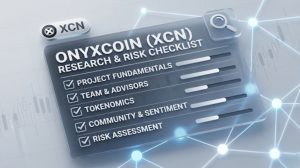
Real-world asset tokenization can be legitimate. But legitimacy has a checklist. If a project claims it tokenizes gold, silver, gemstones, or other off-chain assets, look for clear answers to these questions:
- Custody: Who holds the underlying assets, and where?
- Audits: Are there independent audits (and how often)?
- Redemption: Can token holders redeem for the asset, or is it purely “exposure” in name only?
- Legal structure: What entity is responsible, and under which jurisdiction?
- Transparency: Are reserves, reports, and procedures public and updated?
Reality check: if you cannot find clear documentation for those points, you should treat the RWA narrative as unproven. That doesn’t mean the token “can’t pump”—it means you’re trading sentiment, not verified backing.
If you want context for what serious RWA discussions look like (and what to watch for), start here:
Tokenized Real-World Assets: what they are, how they work, and the real risks
Key risks specific to VWA (practical, not dramatic)
1) Narrative mismatch risk
When a project’s identity looks different depending on where you read about it—RWA platform in one place, memecoin framing in another—it increases uncertainty. Uncertainty is not automatically fraud, but it raises the due-diligence bar.
2) Proof-of-backing risk
“Backed by real-world assets” is a high-stakes claim. Without clear custody + audits + redemption, the phrase can be little more than a story.
3) Scam surface area (airdrop bait, fake mints, phishing)
Trending tokens attract phishing campaigns. If you see “free VWA,” “claim now,” or “airdrop reward” links, assume it’s hostile until proven otherwise.
- Never connect your main wallet to random claim sites.
- Use a separate wallet for high-risk activity.
- Re-check the mint address every time.
2026 outlook: what would make VWA stronger (and what would not)
A realistic 2026 outlook is about verifiable milestones, not slogans.
What would materially improve the case
- Clear RWA documentation: custody, audits, redemption, legal structure—published and maintained.
- On-chain product usage: real user activity that doesn’t depend on hype cycles.
- Credible third-party verification: independent audits and transparent reporting.
- Cleaner messaging: one consistent identity, not mixed narratives.
What would not improve the case (even if price spikes)
- Influencer-only marketing without documents.
- Vague “institutional backing” claims with no primary evidence.
- Short-term pumps driven by rumors.
Bottom line
Vanguard (VWA) is a Solana token that sits at the intersection of two worlds: RWA-style promises and meme-style trading behavior. If you’re approaching it seriously, treat it like a high-risk asset until you see verifiable proof of any real-world backing claims.
Do the basics like a pro: verify the mint address, avoid airdrop bait, understand DEX execution, and demand documentation before trusting big narratives.