The 2025 crypto landscape is being reshaped by regulatory talks in Washington. After a year of market volatility and high-profile legal battles, investors are closely watching for clarity. Understanding the potential impact of us crypto regulations 2025 is no longer optional—it’s essential for navigating the market. This guide will break down the most significant developments, from stablecoin laws to new tax rules and the ongoing debate over market structure.
The Battle for Market Structure: FIT21 and the SEC/CFTC Divide
The most significant legislative item on the agenda is the Financial Innovation and Technology for the 21st Century Act, known as FIT21. This sweeping bill aims to finally end the “regulation by enforcement” era by creating a clear framework for digital assets.
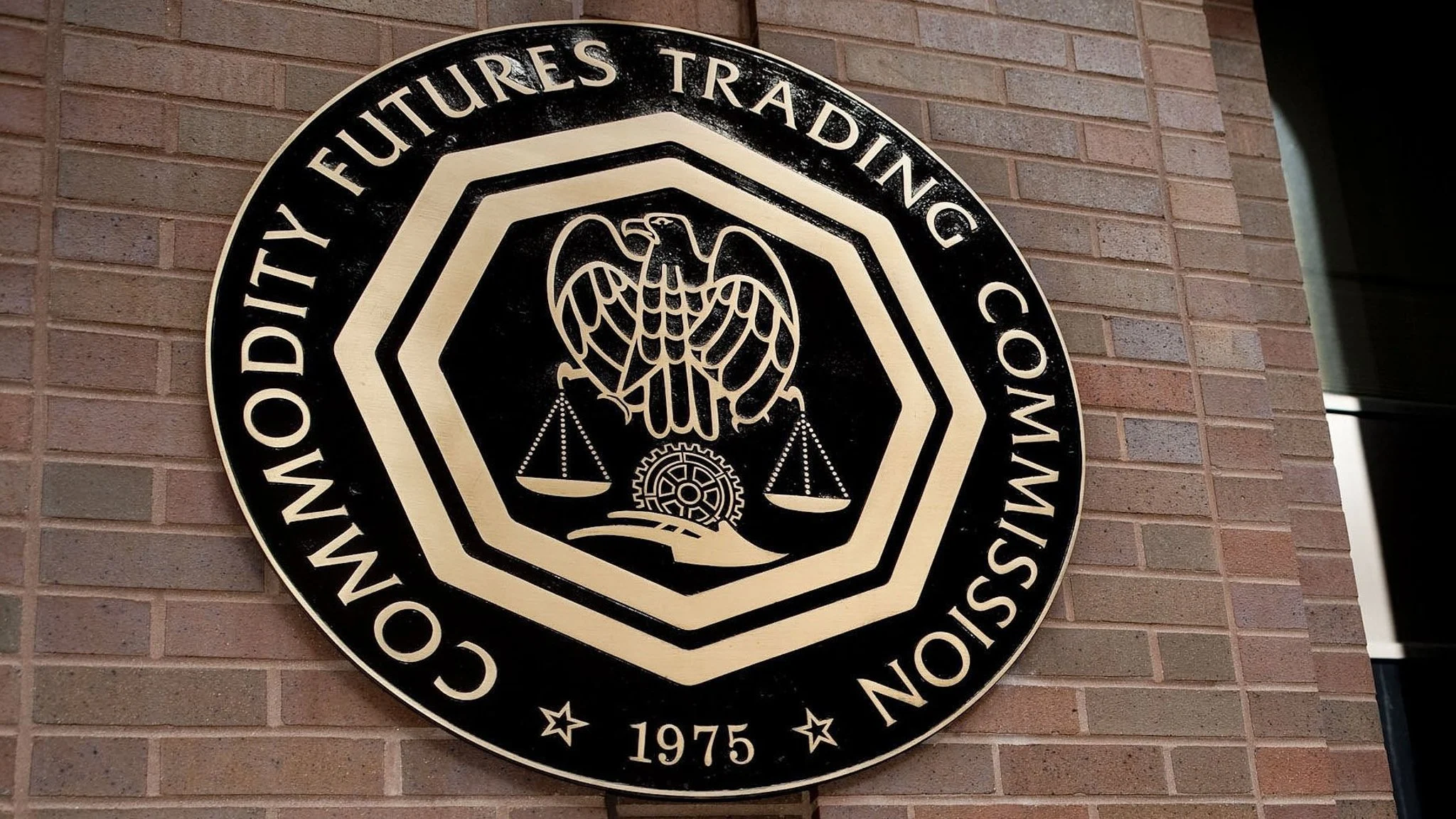
If passed, FIT21 would establish which assets fall under the Commodity Futures Trading Commission (CFTC) and which are securities under the Securities and Exchange Commission (SEC). The bill, which has already seen bipartisan support in the House, would provide a pathway for crypto projects to be classified as commodities, offering a level of regulatory clarity the industry has demanded for years.
Stablecoins: The First Domino to Fall?
While FIT21 faces a complex path, experts believe the most likely area for concrete new law in 2025 is stablecoins. Bipartisan efforts, like the “Clarity for Payment Stablecoins Act,” have been quietly gaining momentum.
Lawmakers on both sides of the aisle see the need for consumer protection and financial stability. Any new bill would likely impose strict requirements on stablecoin issuers, mandating one-to-one reserves with cash or cash equivalents and subjecting them to regular audits. This move could legitimize the stablecoin market and build institutional trust.
Understanding Your 2025 Crypto Tax Burden
Regardless of market structure, one change is locked in and will impact every US investor in 2025: new tax reporting rules. This is a direct result of the 2021 Infrastructure Bill, and the grace period is over.
What the “Broker” Definition Means for You
The IRS is implementing a new, broader definition of a “broker” for tax purposes. Starting in 2025, cryptocurrency exchanges operating in the US will be required to issue Form 1099-DA to both their customers and the IRS.
This means your crypto transactions, including gains and losses, will be reported directly to the tax authorities, similar to how stock trades are reported. Gone are the days of ambiguity; automated reporting is the new standard.
Beyond Exchanges: The DeFi Grey Area
This new rule also creates significant uncertainty for decentralized finance (DeFi). The language is broad enough that it could potentially be applied to DeFi protocol developers, validators, or liquidity pool operators, classifying them as “brokers.”
While the industry is pushing back, investors using DeFi platforms should prepare for a more complex tax season. Meticulous record-keeping is no longer a suggestion but a necessity for 2025.
Key Takeaways for Crypto Investors
The era of regulatory ambiguity is definitively ending. While the transition may be painful, the end goal for 2025 is to establish clear rules of the road. Investors should prepare for two major themes: increased transparency and non-negotiable tax compliance.
The most critical strategy for 2025 is not just picking the right assets, but understanding the legal framework they operate within.
Disclaimer: This article is for informational purposes only and does not constitute financial or investment advice. The cryptocurrency and NFT markets are highly volatile. Please conduct your own research before making any investment decisions.
Copy the linkhttps://mrscoins.com/opinion-and-insights/us-crypto-regulations-2025-guide/
Search for Content on Our Site:
Searching for Content...
Search results appear here.
Cookies Policy
This website uses cookies to improve your experience. By continuing to browse, you agree to our use of cookies.
Related articles
2026 Shocking Warning: Crypto is at the Bottom of US Voters’ Priorities with a Massive 80% Disapproval Rate and a Critical $100 Billion Bullish Turnaround for Crypto Firms